
Estimated Reading Time: 12 minutes
Key Takeaways
- Sunday Walking Street (Tha Pae) is the largest market with incredible variety and live artisan demonstrations
- Saturday Night Market (Wualai) specializes in high-quality silver jewelry and ceramics from traditional craftspeople
- Chiang Mai Night Bazaar operates daily and offers convenient one-stop shopping with tourist-friendly amenities
- Best handicrafts include hand-painted umbrellas, silver jewelry, wood carvings, and authentic hill-tribe textiles
- Visit early evening (5-7 PM) for smaller crowds and better browsing experience
- Bargaining is expected for handicrafts but keep it respectful – start 30% below asking price
- Markets are clustered near Old City making them easy to walk between or connect via tuk-tuk
Table of Contents
- Why You Can’t Miss the Chiang Mai Night Markets
- The Main Event: Sunday Walking Street Chiang Mai
- The Artisan Haven: Saturday Night Market Chiang Mai
- Exploring More of the Best Shopping in Chiang Mai: Other Night Markets
- Your Shopping Checklist: Must-Buy Chiang Mai Handicrafts
- A Practical Guide: Where to Buy Souvenirs Chiang Mai
- Practical Tips for a Perfect Market Experience
- Ready to Explore Chiang Mai After Dark?

Picture this: the sun sets over ancient temple spires, and suddenly the streets explode with color. Sizzling street food fills the air with smoky aromas, traditional Thai music mixes with the chatter of vendors, and rows upon rows of handcrafted treasures beckon from every corner.
Welcome to the magical world of Chiang Mai night markets. These bustling evening bazaars are way more than just shopping destinations – they’re the beating heart of northern Thailand’s cultural scene. The Chiang Mai night markets blend commerce and culture so seamlessly that locals, expats, and travelers all flock here for an authentic taste of what makes this city so special. For an overview of Chiang Mai’s vibrant daytime markets, check out our Best Chiang Mai Local Markets.
If you’re planning a trip and wondering which markets to hit, what to buy, or how to navigate it all without looking like a complete tourist, you’ve come to the right place. We’ll walk you through the must-visit weekend walking streets, the famous daily bazaar, the best spots for unique souvenirs, and all the insider tips you need to shop like a pro.
Why You Can’t Miss the Chiang Mai Night Markets
The Atmosphere Is Pure Magic
When darkness falls, these markets transform into something almost theatrical. Colorful stalls stretch as far as you can see, street food vendors work their magic over glowing grills, and live performances pop up everywhere – from traditional Lanna musicians to modern cover bands. It’s this incredible mix of old and new that creates such a unique buzz. You’ll find yourself swept up in the energy before you even realize what’s happening. Discover more about the market atmosphere on Vespa Adventures.
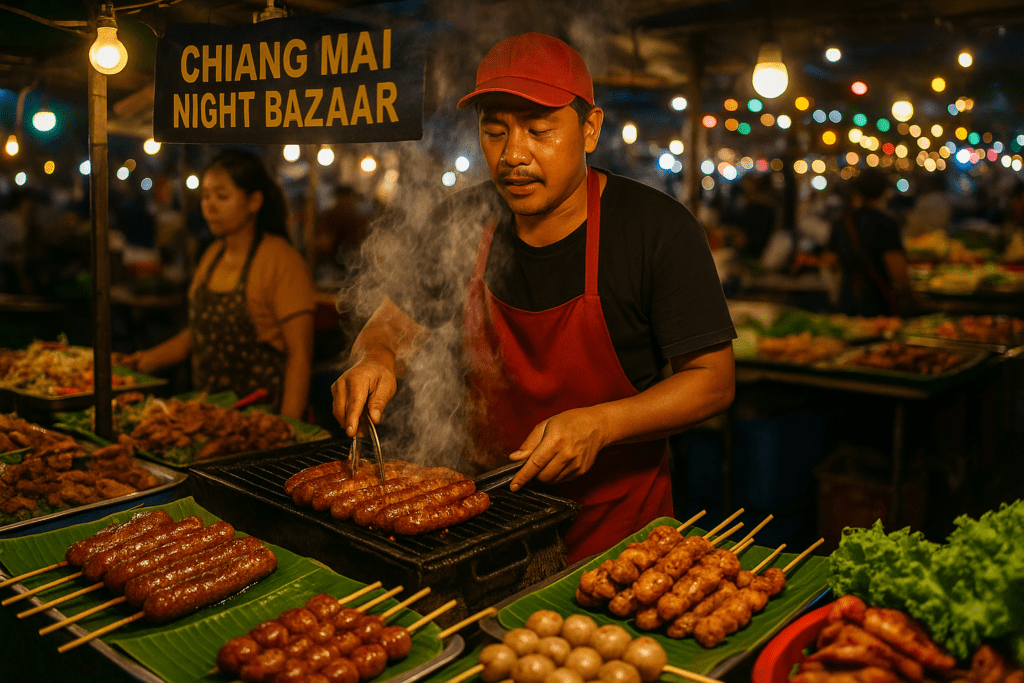
The sounds alone are worth the trip. Vendors calling out their wares, the sizzle of pad thai hitting hot woks—see our Chiang Mai street food guide for neighborhood-by-neighborhood recommendations—tourists haggling in broken Thai, and that constant hum of excitement that only comes when thousands of people are all having a good time in the same place.
Shopping Variety That’ll Blow Your Mind
Honestly, the sheer diversity of stuff you can find here is overwhelming in the best possible way. One stall sells intricately carved wooden elephants, the next has racks of flowing silk scarves, and the one after that displays hand-painted ceramics that look like they belong in a museum. The range of Chiang Mai handicrafts available is staggering – from authentic traditional pieces that local artisans have been perfecting for generations to trendy modern takes that appeal to younger locals.
Some markets specialize in specific things. The weekend walking streets lean heavily into handmade gifts and traditional crafts, while others focus more on fashion or street food. But even within each market, you’ll find incredible variety. It’s like a treasure hunt where you never know what amazing thing you’ll stumble across next.
Perfect Timing for Any Itinerary
Here’s what makes these markets so brilliant for travelers: they open in the late afternoon and run until late evening, which means they fit perfectly after a day of temple-hopping or exploring the mountains around Chiang Mai. Most of the major markets are clustered near the Old City, so you can easily walk between them or catch a quick tuk-tuk ride. Learn more about market locations on Get Nomad.
Plus, there’s something magical about shopping under the stars with a cool evening breeze, especially after spending the day in Thailand’s heat. The timing just works.
The Main Event: Sunday Walking Street Chiang Mai
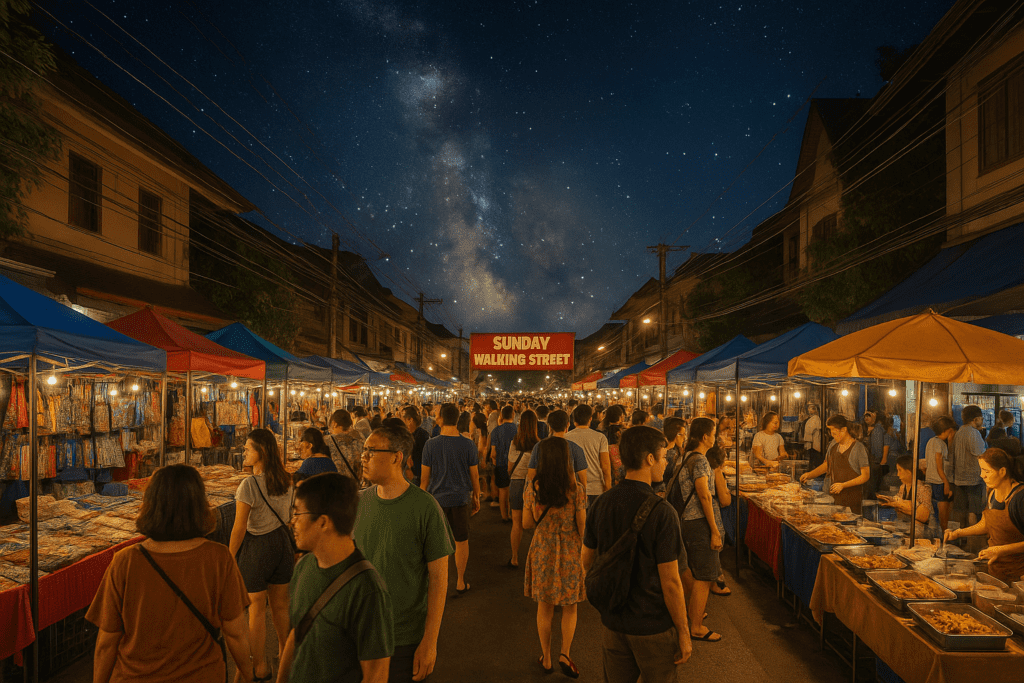
This is the big kahuna. The Sunday walking street Chiang Mai, officially known as Tha Pae Walking Street, runs from the famous Tha Pae Gate straight down Ratchadamnoen Road through the heart of the Old City. Every Sunday from 4 PM until around midnight, this entire stretch transforms into what might be Thailand’s most impressive market. Watch the Sunday market come alive on YouTube.
What Makes It Special
The scale is just incredible. We’re talking about an entire kilometer of road packed with vendors, artisans, musicians, and food stalls. It’s famous for showcasing the best of northern Thai street food – you absolutely have to try the sai ua (spicy northern sausage) – alongside traditional Lanna handicrafts that you won’t find anywhere else.
What really sets this market apart is the live demonstrations. You’ll see artisans painting umbrellas, weaving textiles, and crafting silver jewelry right before your eyes. It’s not just shopping; it’s like walking through a living museum of northern Thai culture.
The energy here on Sunday evenings is unlike anything else. Temple courtyards along the route become temporary galleries, street musicians set up on corners, and the whole thing feels like one giant community festival where everyone’s invited.
Where to Find the Best Stuff
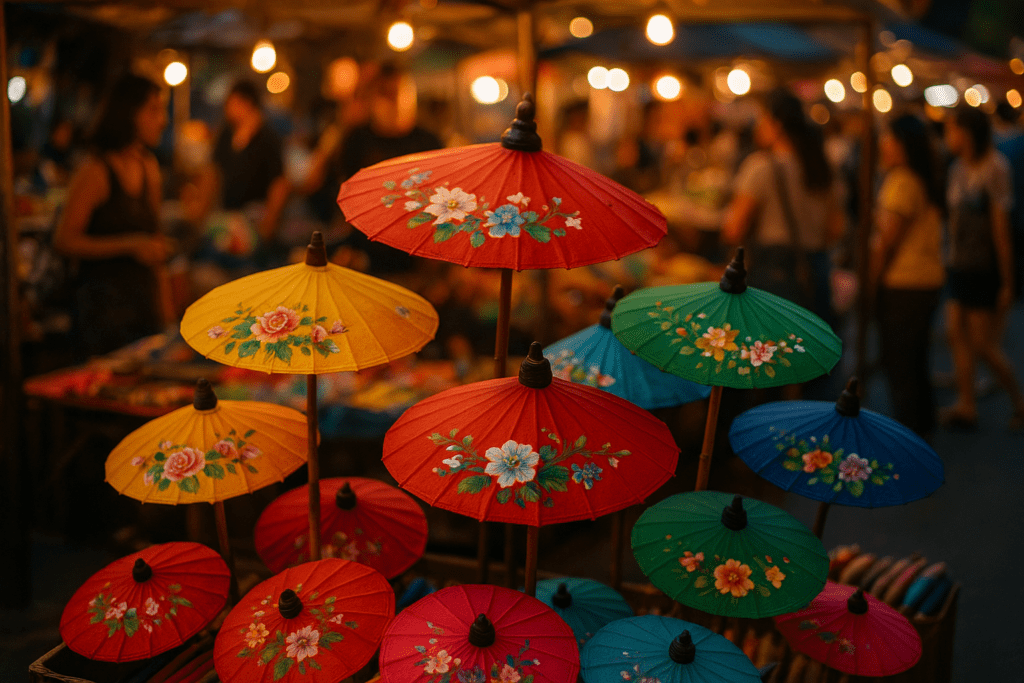
The real gems are often found in the stalls specializing in hand-painted umbrellas – those colorful parasols that have become synonymous with northern Thailand. Look for vendors near major intersections or set up in the temple courtyards, especially around Wat Chedi Luang. These spots tend to attract the most skilled artisans who’ve been perfecting their craft for decades.
Silver jewelry stalls near the temples often have pieces that are both beautiful and reasonably priced. Just remember that quality varies widely, so don’t be afraid to examine pieces closely before buying.
The Artisan Haven: Saturday Night Market Chiang Mai (Wualai Walking Street)
If the Sunday market is about scale and variety, the Saturday night market Chiang Mai is all about specialization and quality. Located on Wualai Road just south of the Old City moat, this market runs every Saturday from 5 PM until midnight and has earned a reputation as the best place in the city for specific types of handicrafts.
The Silver Connection
Here’s what makes Wualai special: this area has been Chiang Mai’s traditional silver-making district for centuries. Locals still call it “Silversmiths’ Road,” and that heritage shows in the incredible quality of silver jewelry, decorative bowls, and artistic pieces you’ll find here. The Saturday night market also excels at affordable ceramics and gorgeous hill-tribe textiles that showcase the region’s ethnic diversity. Explore the silver heritage on Vespa Adventures.
The ceramic work here deserves special mention. You’ll find everything from simple, elegant pieces perfect for everyday use to elaborate decorative items that make stunning home decor. The prices are surprisingly reasonable considering the quality.
Pro Shopping Tips
Arrive around 5 PM if you want to browse without fighting crowds. The market gets packed later in the evening, especially during high tourist season. One insider trick: explore the smaller side streets (called sois) that branch off from the main Wualai Road. These quieter areas often hide the most interesting vendors and offer better opportunities for conversation with artisans.
Bargaining is expected here, but keep it respectful. These are skilled craftspeople selling quality work, not mass-produced tourist trinkets. Start your negotiations around 30% below the asking price and work toward a fair compromise.
Exploring More of the Best Shopping in Chiang Mai: Other Night Markets
While the weekend walking streets get most of the attention, the best shopping in Chiang Mai extends far beyond Saturday and Sunday. For planning your full trip, see our Ultimate Chiang Mai Travel Guide.
Chiang Mai Night Bazaar (Daily)
This is probably the most famous market in the city, running every single night on Chang Klan Road. It’s huge, lively, and incredibly tourist-friendly, with everything from souvenirs and clothing to international food courts. Think of it as a one-stop shop where you can find almost anything, though it can feel a bit overwhelming with the crowds. Read reviews on TripAdvisor.
The Night Bazaar works great when you’re short on time or want guaranteed variety. It’s also the most reliable option for finding specific items since it operates daily.
Anusarn Market (Daily)
Located right next to the Night Bazaar, Anusarn offers a slightly more relaxed vibe with excellent handicraft selection and casual dining options. It’s perfect when you want the convenience of a daily market but prefer a less hectic environment for browsing.
Local Gems for Repeat Visitors
Once you’ve hit the main markets, consider exploring Kad Luang (part of Warorot Market that extends into evening hours) for an authentic local experience, or JJ Market Night for a younger, trendier crowd. These spots offer fresh perspectives and change regularly, making them perfect for people who visit Chiang Mai frequently.
With so many markets spread across the city, having your own transportation offers fantastic flexibility. For an easy and affordable way to explore them all, consider a motorbike rental from a trusted service like Byklo.rent.
Your Shopping Checklist: Must-Buy Chiang Mai Handicrafts
Let’s talk about what you should actually be looking for when you’re wandering through these markets. Chiang Mai handicrafts have earned their reputation for good reason – the quality and artistry here is genuinely world-class.
The Essential Items
Wood Carvings range from massive wall panels depicting Buddhist stories to tiny animal figures perfect for gifts. The level of detail in the best pieces is absolutely incredible.
Silverwork includes everything from delicate jewelry to decorative bowls and ceremonial items. The traditional techniques used here have been passed down through generations.
Saa Paper Umbrellas are probably the most iconic Chiang Mai craft. These hand-painted beauties come in every color imaginable and make stunning decorative pieces even if you never use them for shade.
Celadon and Pottery feature that distinctive green glaze that’s become synonymous with northern Thai ceramics. The shapes and patterns blend traditional Thai designs with practical modern functionality.
Hill-Tribe Textiles Deserve Special Attention
These textiles represent some of the most culturally significant shopping you can do in Chiang Mai. The rich colors and intricate hand-woven patterns aren’t just beautiful – they’re storytelling devices that represent different ethnic groups throughout northern Thailand and neighboring countries. Hmong patterns differ dramatically from Karen designs, and each tells part of the region’s complex cultural history.
When you buy authentic hill-tribe textiles, you’re supporting communities that have maintained these traditions for centuries. The weaving techniques are incredibly labor-intensive, which explains why quality pieces command higher prices than mass-produced alternatives.
Shop Ethically and Support Local Artisans
Here’s something important: not all handicrafts in the markets are created equal. Look for vendors who can tell you about the item’s origin or who mention direct connections to local villages. Fair-trade stalls often display certifications or information about how purchases support specific communities. Don’t be shy about asking vendors where items come from – the ones selling authentic, locally-made goods are usually proud to share those details.
A Practical Guide: Where to Buy Souvenirs Chiang Mai
Knowing where to buy souvenirs Chiang Mai depends entirely on what you’re looking for. Here’s your market-by-market breakdown:
For Textiles and General Souvenirs
The Sunday Walking Street remains unmatched. Head straight to the stalls near Wat Chedi Luang, where you’ll find an incredible selection of textiles displayed by vendors who really know their stuff. The temple setting adds to the experience, and these stalls tend to carry higher-quality pieces.
For Silver Jewelry and Ceramics
The Saturday Night Market on Wualai Road is your best bet. Focus on the silver shops along the southern end of Wualai, where many of the traditional silversmiths still maintain workshops. You can often watch artisans working and sometimes even commission custom pieces.
For Quick Shopping and Affordable Gifts
The Chiang Mai Night Bazaar excels at variety and convenience. Check out vendors near the main stage area or inside the covered buildings for the widest range of affordable gift options. It’s perfect when you need to knock out a long shopping list quickly.
Edible Souvenirs and Shipping Solutions
For spices, teas, and local sauces, browse the side stalls in the Night Bazaar or Anusarn Market. Many vendors offer vacuum-sealing services to keep items fresh during travel.
Don’t worry about buying large or bulky items either. Numerous vendors and dedicated shipping shops near all the major markets offer international packing and shipping services. The prices are reasonable, and it means you can buy that gorgeous ceramic set without worrying about getting it home safely.
Practical Tips for a Perfect Market Experience
Getting Around Like a Local
Transportation between markets is straightforward. Tuk-tuks are everywhere – just agree on the price before getting in. Red songthaews (shared pickup trucks) are cheaper and run regular routes that connect all the major markets. Learn more about transportation options on Get Nomad.
Most markets are close enough to walk between, especially if you’re staying near the Old City. The evening temperatures make walking pleasant, and you’ll discover interesting shops and restaurants along the way. For ultimate flexibility, consider renting a scooter—learn more in our Motorbike Rental Chiang Mai guide.
Bargaining Without Being Annoying
Polite bargaining is expected for handicrafts and clothing, but leave the food vendors alone – their prices are usually fixed and already fair. Here’s a simple approach that works: offer about 30% less than the asking price with a smile, then negotiate toward a middle ground. Remember, these vendors are trying to make a living, so don’t be overly aggressive about getting the absolute lowest price.
The best bargaining happens when you show genuine interest in an item and engage with the vendor about its origin or craftsmanship. This approach often leads to better prices than aggressive haggling.
What to Bring and When to Go
Cash is king in the markets, especially small bills. Bring a reusable shopping bag since plastic bags aren’t always available, and wear comfortable shoes because you’ll be doing lots of walking on uneven surfaces.
Timing matters more than you might think. Visit early in the evening (5-7 PM) to see stalls as they’re setting up and to browse before the largest crowds arrive. Weekday visits to daily markets like the Night Bazaar are notably calmer than weekends.
The markets are generally very safe, but standard precautions apply. Keep valuables secure and stay aware of your surroundings, especially in crowded areas.
Ready to Explore Chiang Mai After Dark?
The Chiang Mai night markets offer an unbeatable combination of energy, incredible food, and world-class shopping that you simply can’t find anywhere else. Whether you’re drawn to the massive scale and artisan variety of the Sunday Walking Street, the specialized crafts and quality focus of the Saturday Night Market, or the daily convenience and tourist-friendly atmosphere of the Night Bazaar, each market offers its own unique flavor of northern Thai culture.
The key is planning your visits based on your interests and schedule. Love textiles and want to see artisans at work? Sunday is your day. Shopping for quality silver jewelry or ceramics? Saturday has you covered. Need flexibility and variety? The daily markets deliver.
These markets aren’t just shopping destinations – they’re cultural experiences that capture the essence of what makes Chiang Mai so special. The combination of traditional craftsmanship, delicious food, live entertainment, and genuine hospitality creates memories that last long after you’ve returned home.
Save this guide for your trip, bring comfortable shoes and plenty of cash, and get ready to discover why Chiang Mai’s night markets have earned their reputation as some of the best shopping experiences in Southeast Asia.
Frequently Asked Questions
What days do the main Chiang Mai night markets operate?
Sunday Walking Street operates every Sunday from 4 PM to midnight. Saturday Night Market (Wualai) runs every Saturday from 5 PM to midnight. The Chiang Mai Night Bazaar and Anusarn Market operate daily from early evening until late night.
How much should I budget for shopping at Chiang Mai night markets?
Budget varies widely depending on what you buy. Small souvenirs and street food can cost 50-200 THB. Quality handicrafts like silver jewelry or textiles range from 500-3,000 THB. Unique art pieces or large wood carvings can cost 2,000-10,000 THB or more. Bring cash as most vendors don’t accept cards.
Is bargaining expected at the night markets?
Yes, bargaining is expected for handicrafts, clothing, and souvenirs, but not for food vendors who typically have fixed prices. Start at about 30% below the asking price and negotiate respectfully. Remember these are skilled artisans making a living, so aim for fair prices rather than rock-bottom deals.
What are the best items to buy at Chiang Mai night markets?
Top items include hand-painted umbrellas, silver jewelry, wood carvings, hill-tribe textiles, celadon pottery, and locally-made bags. Look for items that show traditional northern Thai craftsmanship. Avoid mass-produced items that you can find anywhere in Thailand.
How do I get between different night markets?
Most markets are within walking distance of the Old City. Tuk-tuks cost 100-200 THB for short trips between markets. Red songthaews (shared trucks) are cheaper at 30-50 THB per person. Many visitors rent scooters for maximum flexibility to explore all markets easily.
Can I ship large purchases home from the markets?
Yes, many vendors and nearby shipping services offer international shipping for large or fragile items. Costs vary by destination and item size, but it’s generally affordable and reliable. This allows you to buy larger pieces like ceramic sets or wood carvings without worrying about transport.


